CleanCell Cleanrooms
Cleanliness & Air Change Rate
Nano Clean CleanCell Cleanrooms are designed to satisfy the cleanliness requirements of ISO 14644 - Cleanrooms and Associated Controlled Environments.
Cleanliness & Air Change Rate
Cleanroom cleanliness is defined in ISO 14644-1:2015 Classification of Air Cleanliness by Particle Concentration in Table 1 - ISO Classes of Air Cleanliness by Particle Concentration:
| ISO Class | Maximum allowable concentration (particles/m³) for particles equal to or greater than the consider sizes | |||||
| =>0.1um | =>0.2um | =>0.3um | =>0.5um | =>1.0um | =>5.0um | |
| ISO Class 1 | 10 | |||||
| ISO Class 2 | 100 | 24 | 10 | |||
| ISO Class 3 | 1 000 | 237 | 102 | 35 | ||
| ISO Class 4 | 10 000 | 2 370 | 1 020 | 352 | 83 | |
| ISO Class 5 | 100 000 | 23 700 | 10 200 | 3 520 | 832 | |
| ISO Class 6 | 1 000 000 | 237 000 | 102 000 | 35 200 | 8 320 | 293 |
| ISO Class 7 | 352 000 | 83 200 | 2 930 | |||
| ISO Class 8 | 3 520 000 | 832 000 | 29 300 | |||
| ISO Class 9 | 35 200 000 | 8 320 000 | 293 000 | |||
Cleanroom occupancy state is defined by ISO 14644-1:2015 Classification of Air Cleanliness by Particle Concentration, as either:
- As Built
- At Rest
- Operational
The below table indicates the variables that practically impact Cleanroom cleanliness:
| Variables | As Built | At Rest | Operational |
| Cleanliness Class | Yes | Yes | Yes |
| Air Change Rate | Yes | Yes | Yes |
| Filter Efficiency | Yes | Yes | Yes |
| Differential Pressure | Yes | Yes | Yes |
| Process Contamination | Yes | Yes | |
| Personnel Contamination | Yes |
When defining the requirements of a Nano Clean CleanCell Cleanroom facility additional client specific parameters are taken into consideration, including:
| Variables | CleanCell 1.x | CleanCell 2.x | CleanCell 3.x | CleanCell 4.x |
| Cleanliness Class | Yes | Yes | Yes | Yes |
| Air Change Rate | Yes | Yes | Yes | Yes |
| Differential Pressure | Yes | Yes | Yes | Yes |
| Filter Efficiency | Yes | Yes | Yes | Yes |
| Process | Yes | Yes | Yes | Yes |
| Personnel | Yes | Yes | Yes | Yes |
| Ambient Conditions | Yes | Yes | ||
| Temperature | Yes | Yes | ||
| Relative Humidity | Yes | Yes | ||
| Process Heat Gain | Yes | Yes | ||
| Process Exhaust | Yes | Yes |
As a rule of thumb, for cleanliness we can consider the following air change rates as a starting point:
- ISO Class 9: >10 AC/H (non-unidirectional flow)
- ISO Class 8: >15 AC/H (non-unidirectional flow)
- ISO Class 7: >30 AC/H (non-unidirectional flow)
- ISO Class 6: >60 AC/H (non-unidirectional flow)
- ISO Class 5: >120 AC/H (non-unidirectional flow)
- ISO Class 5: 0.3m/s (unidirectional flow)
- ISO Class 4: 0.45m/s (unidirectional flow)
The project design review process will establish the appropriate air change rate to satisfy cleanliness and temperature control requirements, considering:
- Cleanliness classification
- Occupancy state
- Filtration efficiency
- Personnel contamination load
- Process contamination load
- Make-up air source
- Process Heatgain
- Extract losses
The CleanCell Cleanroom Range
Nano Clean
CleanCell 1.x
Softwall Cleanrooms
(Pre-Designed)

Nano Clean
CleanCell 2.x
Hardwall Cleanrooms
(Pre-Designed)

Nano Clean
CleanCell 3.x
Customised Cleanrooms
(Custom-Engineered)

Nano Clean
CleanCell 4.x
Integrated Cleanrooms
(Custom-Engineered)

Nano Clean
Clean-Cell 5.x
Containment Facilities
(Custom Engineered)

Cleanroom Engineering
The Art of Providing Cost Effective, Energy Efficient, Integrated Cleanroom & Controlled Environment Facilities

Cleanroom Structure
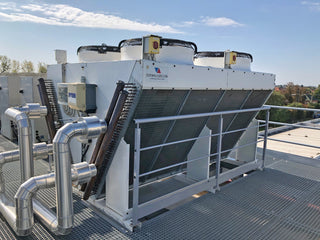
Mechanical Services
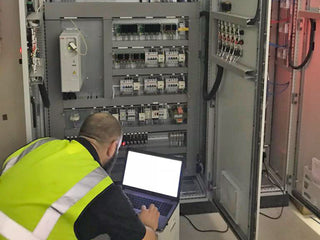
Electrical Services
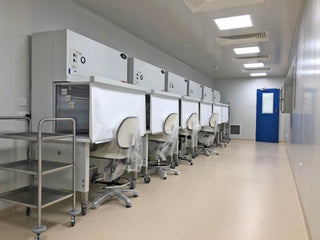
Ancillary Equipment
Nano Clean Operate Nationally and Internationally
The Nano Clean project team have decades of experience working nationally and internationally, delivering projects and supporting customers worldwide.
Get In Touch to discuss your needs.

Design & Installation
Design & Installation
Pre-Designed
Pre-Designed
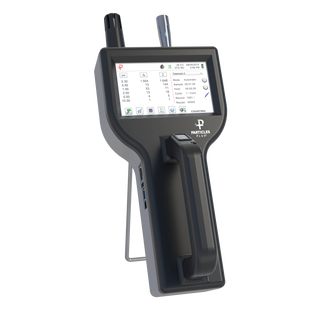
Particle Counters
Particle Counters

Qualification Testing
Qualification Testing

Components
Components

Calibration, Service & Repair
Calibration, Service & Repair
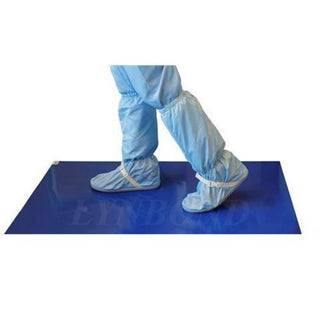
Consumables
Consumables